

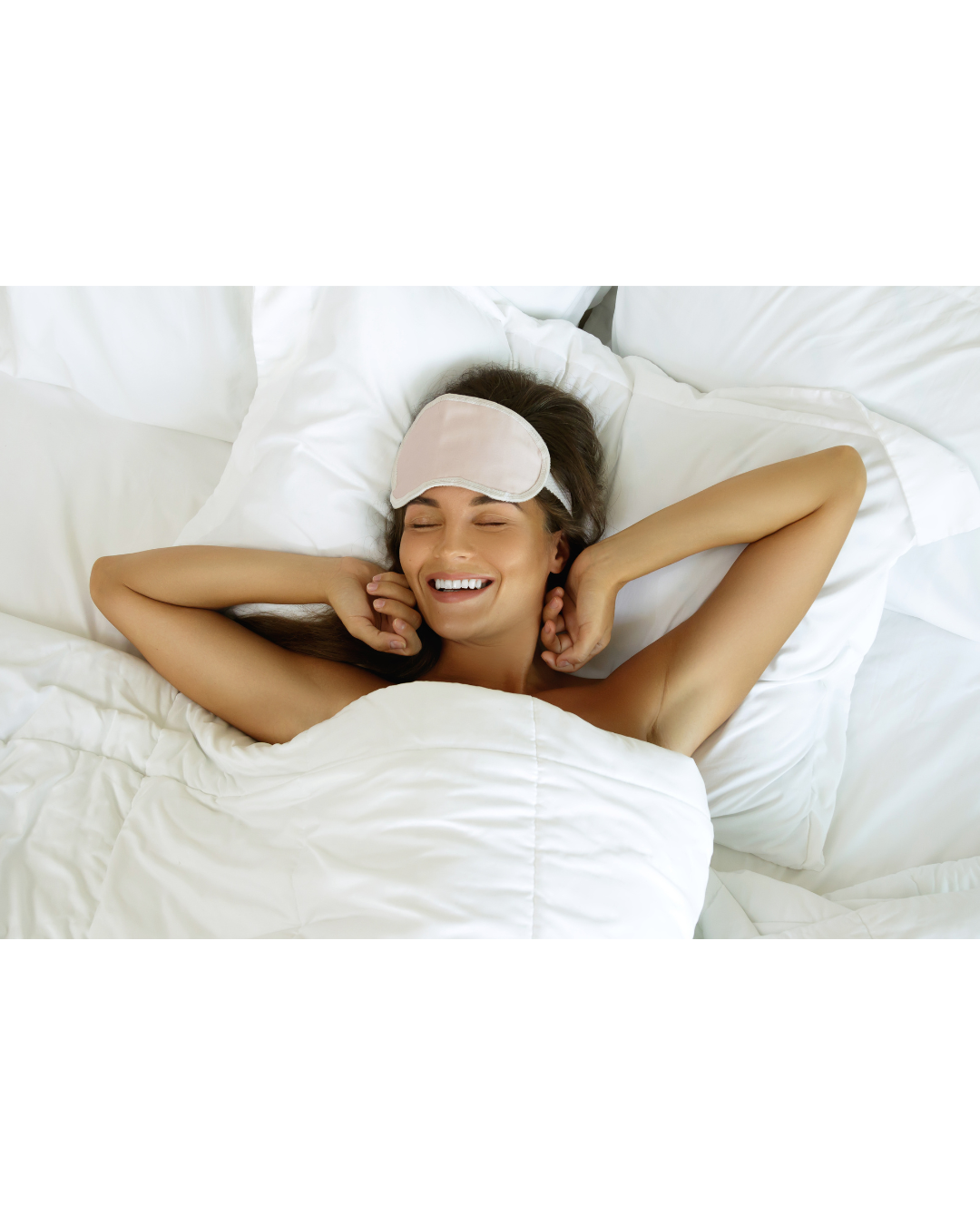
Ausreichender Schlaf ist wichtig für die Regeneration deiner Haut. Denn in der Nacht laufen in der Haut kleine Reparaturprozesse ab, die die Hautstruktur stabilisieren, die Schutzbarriere stärken und das Hautbild insgesamt verbessern. Wird diese nächtliche Regenerationsphase durch Schlafmangel dauerhaft gestört, zeigt sich dies in einem deutlich veränderten Hautbild.
Nächtliche Hautregeneration: Was passiert mit der Haut im Schlaf?
Während der Schlafphasen stellt der Körper zahlreiche Prozesse zugunsten der Haut um:
- Zellerneuerung: Geschädigte oder gealterte Hautzellen werden abgebaut und durch neue Zellen ersetzt. Dies bildet die Grundlage für eine glattere, gleichmäßigere Oberfläche.
- Aufbau von Kollagen: In der Nacht wird verstärkt Kollagen gebildet, ein Strukturprotein, das für Festigkeit und Elastizität der Haut verantwortlich ist.
- Reparatur von Umweltschäden: Belastungen durch UV-Strahlung, Luftverschmutzung, trockene Luft und mechanischen Stress werden teilweise ausgeglichen. Die Haut korrigiert kleinere Schäden und stabilisiert ihre Schutzfunktion.
- Abtransport von Stoffwechselprodukten: Stoffwechselrückstände werden über den Blut- und Lymphfluss abtransportiert, die Haut wird besser durchblutet und mit Sauerstoff versorgt.
Diese Vorgänge tragen dazu bei, dass deine Haut am Morgen erholter, widerstandsfähiger und ausgeglichener erscheint.
Warum die Haut nachts anders arbeitet
Die Haut folgt einem Tag-Nacht-Rhythmus. Tagsüber steht der Schutz vor äußeren Einflüssen im Vordergrund. Nachts verschiebt sich der Schwerpunkt auf Reparatur und Erneuerung. Die Durchblutung steigt, die Aufnahme von Wirkstoffen aus Pflegeprodukten nimmt zu, und die Barriere zeigt eine leicht erhöhte Durchlässigkeit.
In dieser Phase:
- Werden Reparaturenzyme aktiv,
- steigt die Zellteilung,
- werden freie Radikale neutralisiert,
- und die Barrierefunktion gezielt unterstützt.
Dieser Rhythmus erklärt, warum eine gezielte Abendroutine und geeignete Nachtpflege einen spürbaren Einfluss auf das Hautbild und die Hautbarriere haben.
Folgen von Schlafmangel für die Haut
Ist diese Regenerationsphase aber über längere Zeit verkürzt oder gestört, steigen die Belastungen für die Haut. Die Folgen sind:
- Eine beschleunigte Hautalterung: Chronischer Schlafmangel kann die Bildung von Kollagen beeinträchtigen und den Abbau strukturtragender Proteine fördern. Die Haut verliert an Elastizität, Falten und Linien werden schneller sichtbar.
- Eine reduzierte Durchblutung: Eine eingeschränkte nächtliche Durchblutung kann zu einem fahlen, müden Hautbild führen. Der Teint wirkt blasser, Ungleichmäßigkeiten treten stärker hervor.
- Verlangsamte Reparatur: Die Haut hat weniger Zeit, sich von täglichen Belastungen wie UV-Strahlen, Umweltstress und inneren Stressfaktoren zu erholen. Schäden kumulieren und werden sichtbarer.
Diese Effekte machen sich oft zuerst im Gesicht bemerkbar.
Anzeichen und Symptome von Schlafmangel an der Hautbarriere
Typische Hautveränderungen, die mit Schlafmangel in Zusammenhang stehen, sind:
- Trockene, raue oder gespannte Haut
- Erhöhte Reizbarkeit und Rötungen
- Vermehrte Unreinheiten und entzündliche Veränderungen
- Fahler, unruhiger Teint
- Geschwollene Augenpartie, Augenringe
- Erhöhte Empfindlichkeit gegenüber Pflegeprodukten
Diese Symptome deuten auf eine geschwächte Barriere hin, die mechanisch und biochemisch weniger stabil ist.
Mechanismen: Wie Schlafmangel die Hautbarriere beeinflusst
Mehrere Prozesse greifen zusammen, wenn die Haut zu wenig Regenerationszeit erhält:
- Eingeschränkte Zellerneuerung: Die Haut erneuert sich primär nachts. Verkürzte Schlafphasen verlangsamen diesen Prozess, wodurch geschädigte Zellen länger bestehen bleiben.
- Erhöhter Cortisolspiegel: Schlafmangel geht mit erhöhten Stresshormonen wie Cortisol einher. Cortisol kann Entzündungsprozesse fördern, die Barrierefunktion stören und den Abbau von Kollagen begünstigen.
- Störung des Mikrobioms: Eine instabile Barriere und veränderte Regenerationsbedingungen wirken sich auf die Zusammensetzung der Hautflora aus. Ein unausgeglichenes Mikrobiom wird mit erhöhter Reizbarkeit und Entzündungsbereitschaft der Haut in Verbindung gebracht.
- Verstärkter Feuchtigkeitsverlust: Eine geschwächte Barriere lässt mehr Wasser über die Hautoberfläche verdunsten. Die Fähigkeit der Haut, Feuchtigkeit zu halten, nimmt ab, Trockenheit und Spannungsgefühle nehmen zu.
- Oxidativer Stress und Entzündungen: Schlafmangel fördert oxidative Prozesse. Das begünstigt Rötungen, Unreinheiten und eine insgesamt unruhige Hautstruktur.
- Reduzierte Schutzfunktion: Eine instabile Barriere ist durchlässiger für Umweltstressoren, Allergene und Schadstoffe. Äußere Reize können leichter zu Irritationen führen.
Holiko: Unterstützung von Hautbarriere und Mikrobiom bei Schlafmangel
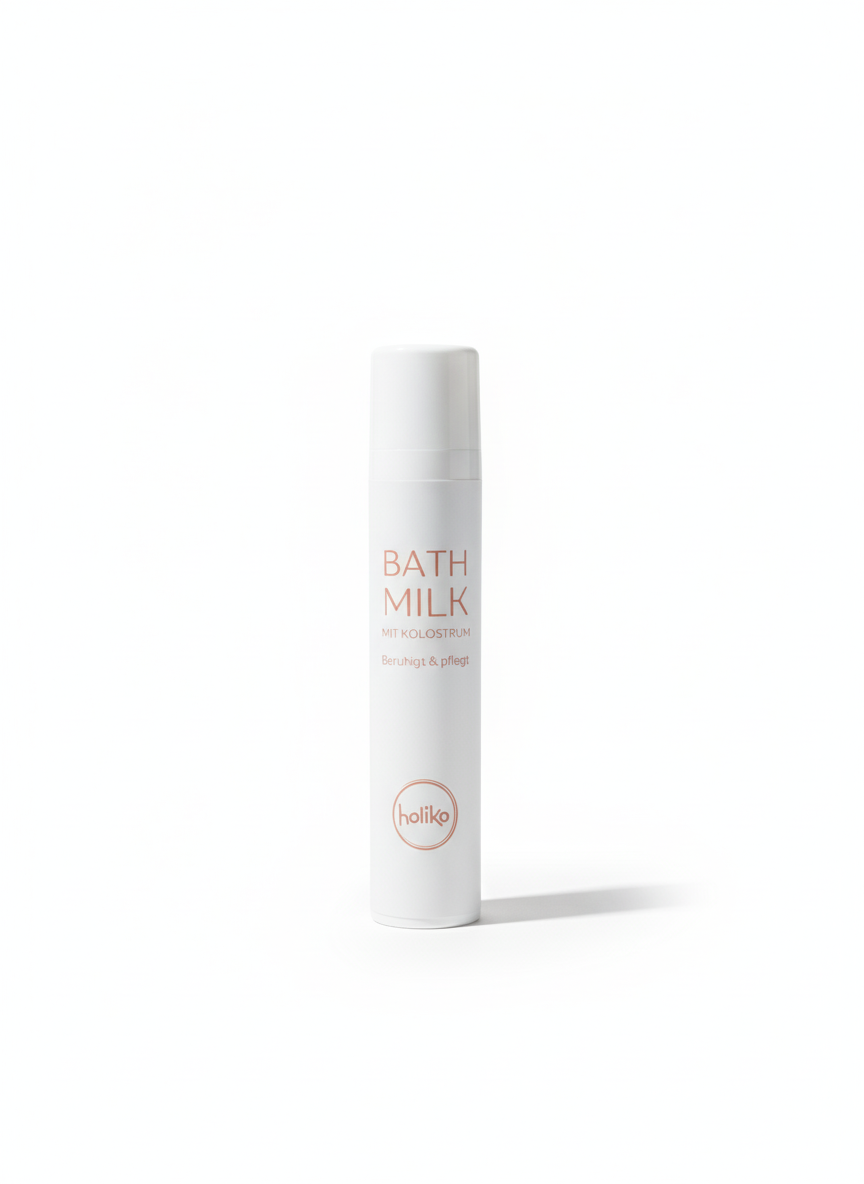
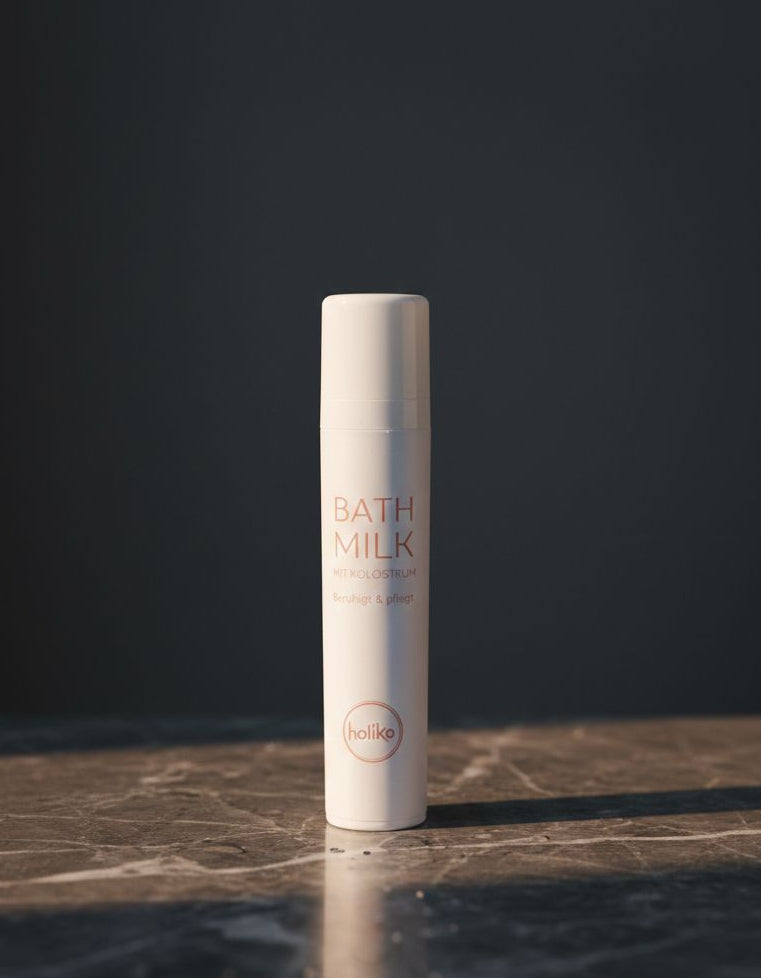
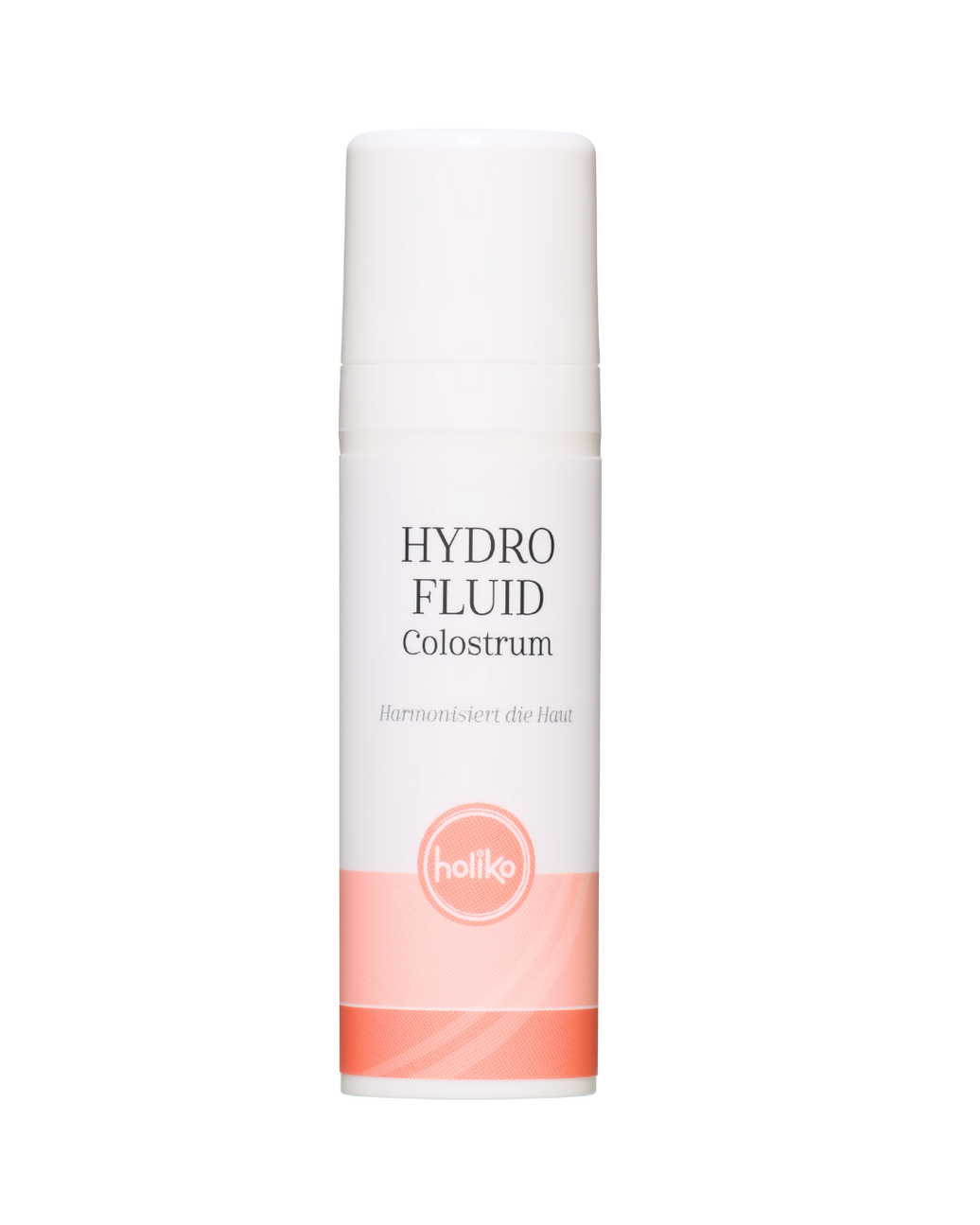
Holiko setzt genau an diesen Punkten an. Wenn die Barriere geschwächt ist und das Mikrobiom aus dem Gleichgewicht gerät, unterstützt Holiko die Haut in ihrer natürlichen Stabilisierung.
Antikörper aus Kolostrum können dazu beitragen, das Gleichgewicht der Hautflora zu fördern und irritierte Haut zu beruhigen. Ein stabileres Mikrobiom steht in Verbindung mit einer widerstandsfähigeren Haut und einer besseren Reaktionskontrolle gegenüber Stress, trockener Luft und Schlafdefiziten.
Holiko bietet:
- Unterstützung der natürlichen Hautbarriere
- Förderung eines ausgeglichenen Hautmikrobioms
- beruhigende und regenerationsbegleitende Effekte
- alltagstaugliche, gezielte Anwendung
Anwendungsempfehlung:
Eine dünne Schicht Holiko wird auf die betroffenen Hautareale aufgetragen, vorzugsweise im Rahmen der Abendroutine nach einer sanften Reinigung. Bei regelmäßiger Anwendung unterstützt Holiko die nächtliche Regeneration und hilft, die Barrierefunktion zu stabilisieren – auch in Phasen, in denen der Schlaf nicht optimal ist.
Praktische Maßnahmen: Hautbarriere trotz Schlafmangel unterstützen
Neben Holiko solltest du aber noch Folgendes zum Schutz deiner Haut beachten:
- Schlafhygiene verbessern: Möglichst konstante Schlafzeiten, Reduktion von Bildschirmzeit vor dem Zubettgehen und eine ruhige Umgebung unterstützen die Schlafqualität.
- Ausreichende Flüssigkeitszufuhr: Eine angemessene Trinkmenge hilft, Feuchtigkeitsverlust auszugleichen.
- Barrierefreundliche Pflege: Milde, lipidstützende Pflegeprodukte stabilisieren die Schutzschicht und vermeiden zusätzliche Reizung.
- Stressmanagement: Atemübungen, Pausen und Bewegung können Stress reduzieren und damit indirekt auch die Haut entlasten.
- Strukturierte Abendroutine: Sanfte Reinigung und beruhigende Pflege bilden den Rahmen, in den Holiko sinnvoll integriert werden kann.
- Optimiertes Schlafumfeld: Ein gut gelüftetes Schlafzimmer mit moderater Temperatur (etwa 18 bis 20 °C) unterstützt die physiologischen Regenerationsprozesse.
Fazit: Gezielte Unterstützung für die Hautbarriere bei Schlafmangel
Schlafmangel beeinträchtigt die nächtliche Regeneration, schwächt die Hautbarriere und verändert das Gleichgewicht des Mikrobioms. Die Folge sind Trockenheit, Reizbarkeit, Unreinheiten und ein insgesamt beanspruchtes Hautbild.
Durch eine Kombination aus verbesserten Schlafgewohnheiten, barrierefreundlicher Pflege und der gezielten Unterstützung von Mikrobiom und Schutzfunktion lässt sich die Hautbelastung reduzieren. Holiko kann in diesem Kontext eine natürliche Hilfe bieten, indem es die Hautflora stabilisiert, Reizungen beruhigt und die Barriere während Phasen eingeschränkter Regeneration begleitet.




Hinterlassen Sie einen Kommentar