


Oily skin is quickly reduced to a few keywords: excess sebum, enlarged pores, and constant shine. The idea that this very same skin can simultaneously be dehydrated therefore seems contradictory at first. After all, dehydration is only associated with dry skin, along with feelings of tightness, flaking, and redness. Skin that is shiny and produces too much sebum intuitively does not fit into this category.
In fact, oily and dehydrated skin is not a rarity. This is because, in an attempt to get the "oil layer" under control, intensive skin cleansing is practiced—often followed by skipping moisturizing care.
The result: the skin barrier is weakened, water is lost more quickly, and the skin reacts with even stronger sebum production as a protective mechanism. This creates a cycle in which the skin becomes increasingly unbalanced and more sensitive.
Typical signs of moisture deficiency in oily skin
Typical symptoms of oily skin that suffers from a lack of moisture are:
- Shiny forehead, nose, and chin (T-zone)
- Increased occurrence of pimples and blackheads
- Rough or tight patches of skin despite increased sebum production
- Skin irritation or redness
- Uneven, dull complexion
- Excessive sebum production as a reaction to dryness
Causes: How can oily skin become dehydrated?
The reason for the drying out of oily skin is the general misunderstanding between sebum (oil) and moisture (water).
- Sebum is formed in the sebaceous glands and released onto the skin surface as a fatty secretion. There, it combines with sweat to form the hydrolipid film, which greases the skin and reduces water loss through the surface. It therefore protects against dehydration, but does not replace the skin's own need for moisture.
- The skin's actual moisture comes from blood circulation and is stored in the skin layers and the extracellular matrix. Water keeps the skin elastic and supple, provided the skin receives sufficient fluid from within and is supported externally with moisturizing and moisture-binding ingredients.
This is precisely the core of the problem with oily, dehydrated skin: while the skin produces plenty of sebum, it receives too little water and moisture-binding agents. Aggressive cleansing, alcohol-based toners, or purely sebum-controlling products additionally weaken the skin barrier, increase transepidermal water loss, and cause the skin to gradually dehydrate, despite the visible oil film.
Reasons for oily and moisture-deficient skin:
- Excessive cleansing: Aggressive cleansing products remove the skin's own lipids, dry out the skin, and additionally stimulate sebum production.
- Disturbed skin microbiome: An imbalance in the natural skin flora can promote irritation and blemishes.
- Environmental factors: Heating air, UV radiation, or air conditioning deplete the skin's moisture.
- Lack of barrier-strengthening care: Without sufficient lipids and moisture, the skin becomes more susceptible to irritants.
- Stress and hormonal influences: Cortisol and hormonal fluctuations affect sebum production and the moisture balance.
- Unsuitable care products: Highly drying products or those with occlusive, greasy residues can worsen the skin's appearance.
Proper care for oily skin
Oily skin therefore needs care that regulates sebum, protects the skin barrier, and provides enough moisture simultaneously. A correct care routine is also decisive here.
1. Cleansing: mild but consistent
- Cleanse morning and evening with mild, pH-skin-neutral, oil-free cleansers that remove excess sebum without irritating or drying out the skin.
- Avoid alcohol-based, highly foaming, or "degreasing" products, as they weaken the skin barrier and dry out the skin.
2. Toner: alcohol-free, with a focus on balance
- An alcohol-free facial toner with calming, pH-regulating, and potentially antibacterial ingredients provides additional support for the skin after cleansing.
- The goal should not be to close the pores. The goal must be to remove excess oil to protect the skin from inflammation.
3. Moisture: light, non-comedogenic
- Even oily skin needs moisturizing cream. Light gels, emulsions, or lotions that contain natural moisture-binding substances are excellent.
4. Additional elements: peeling, masks, sebum control
- 1 to 2 times per week, a gentle peel (e.g., enzyme or mild fruit acid peel) is recommended to remove sebum, dead skin cells, and clogged pores without mechanically irritating the skin.
5. Sun protection: daily, light
- Daily sun protection is also essential for oily skin, as UV radiation weakens the skin barrier and increases inflammation as well as sebum production.
6. Additionally, pay attention to indoor climate and hydration
- Drink enough water to compensate for moisture deficits.
- Counteract dry air from heating or air conditioning with humidifiers.
Advantages of Holiko care for oily skin
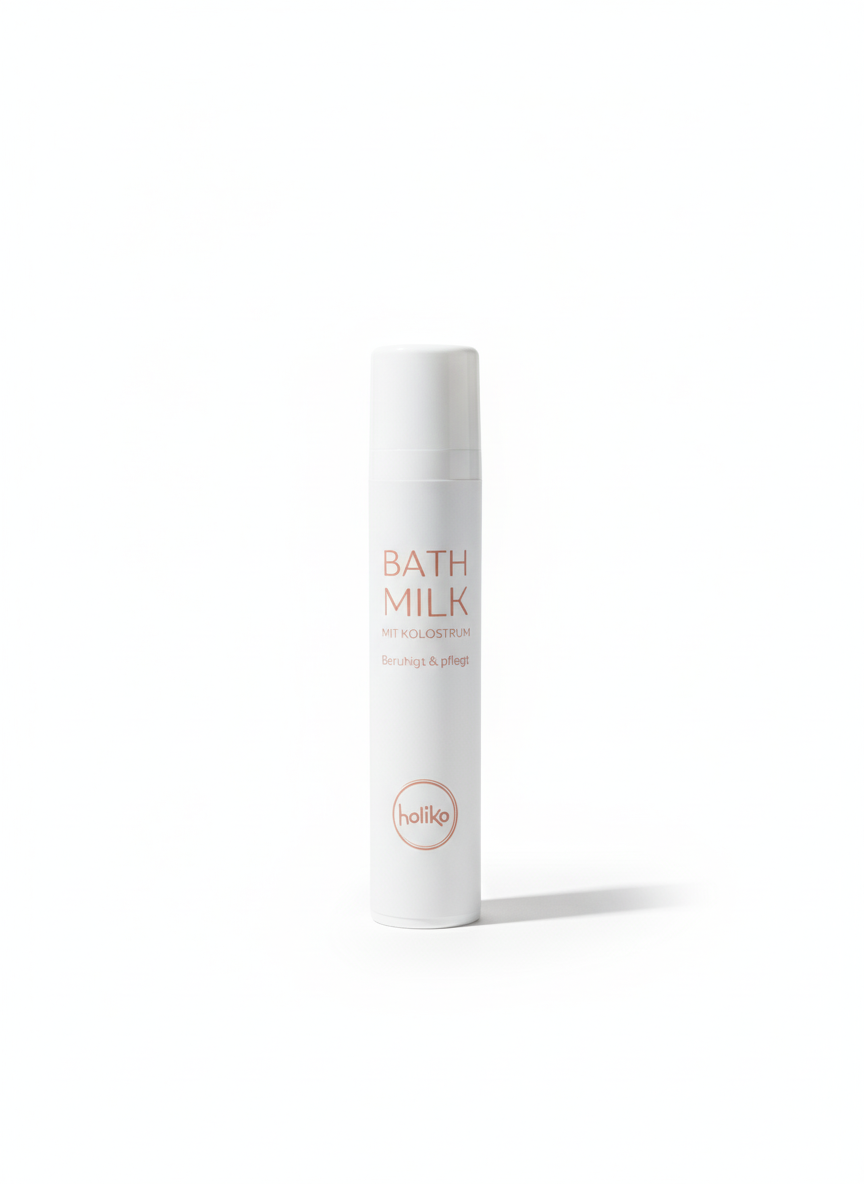
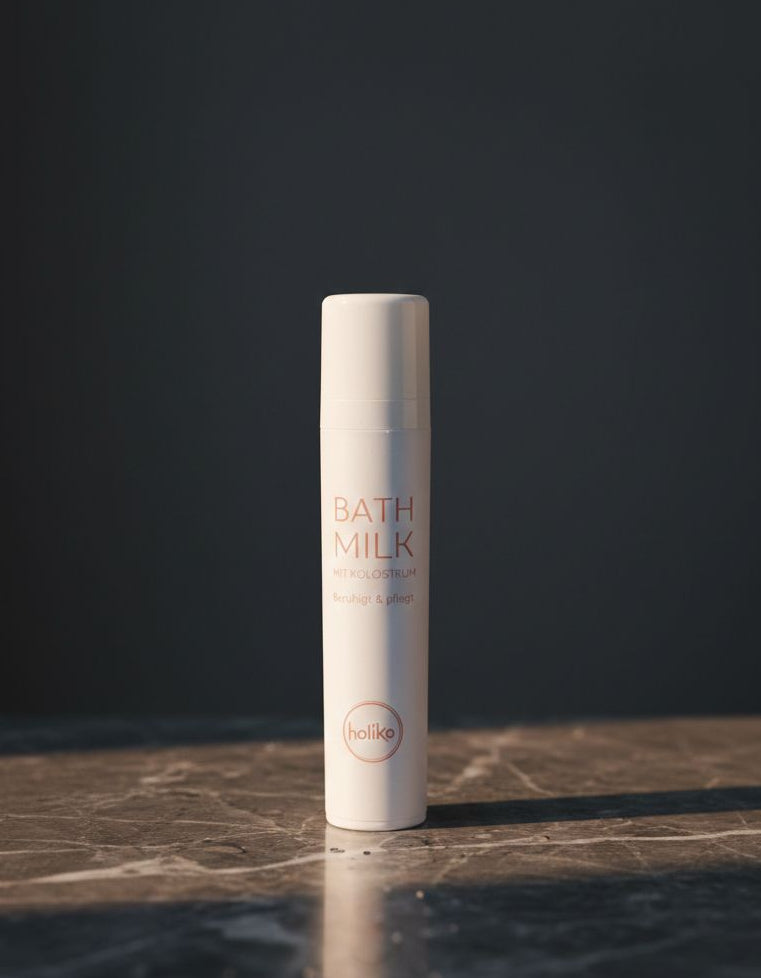
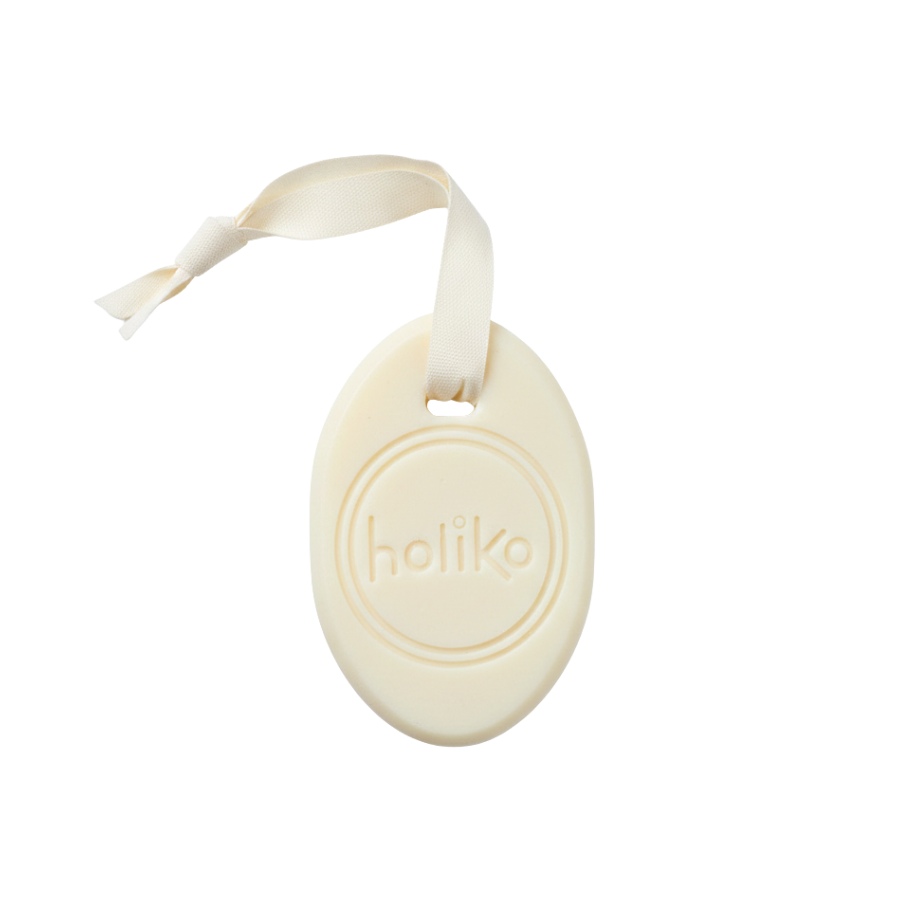
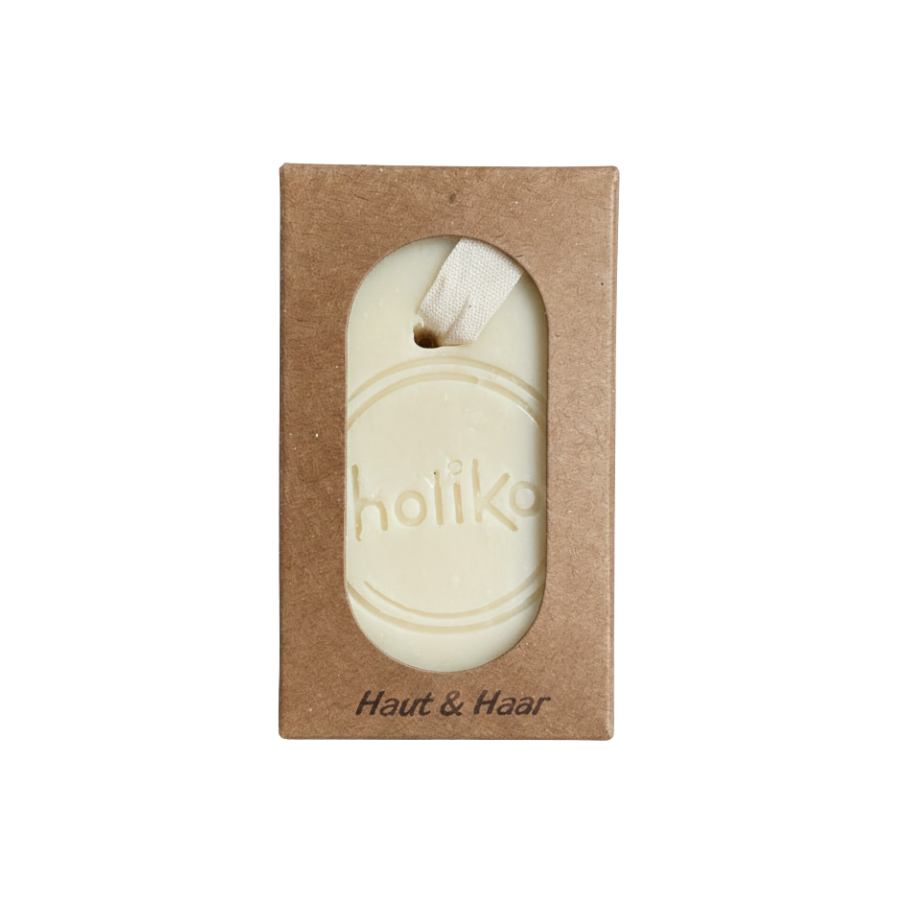
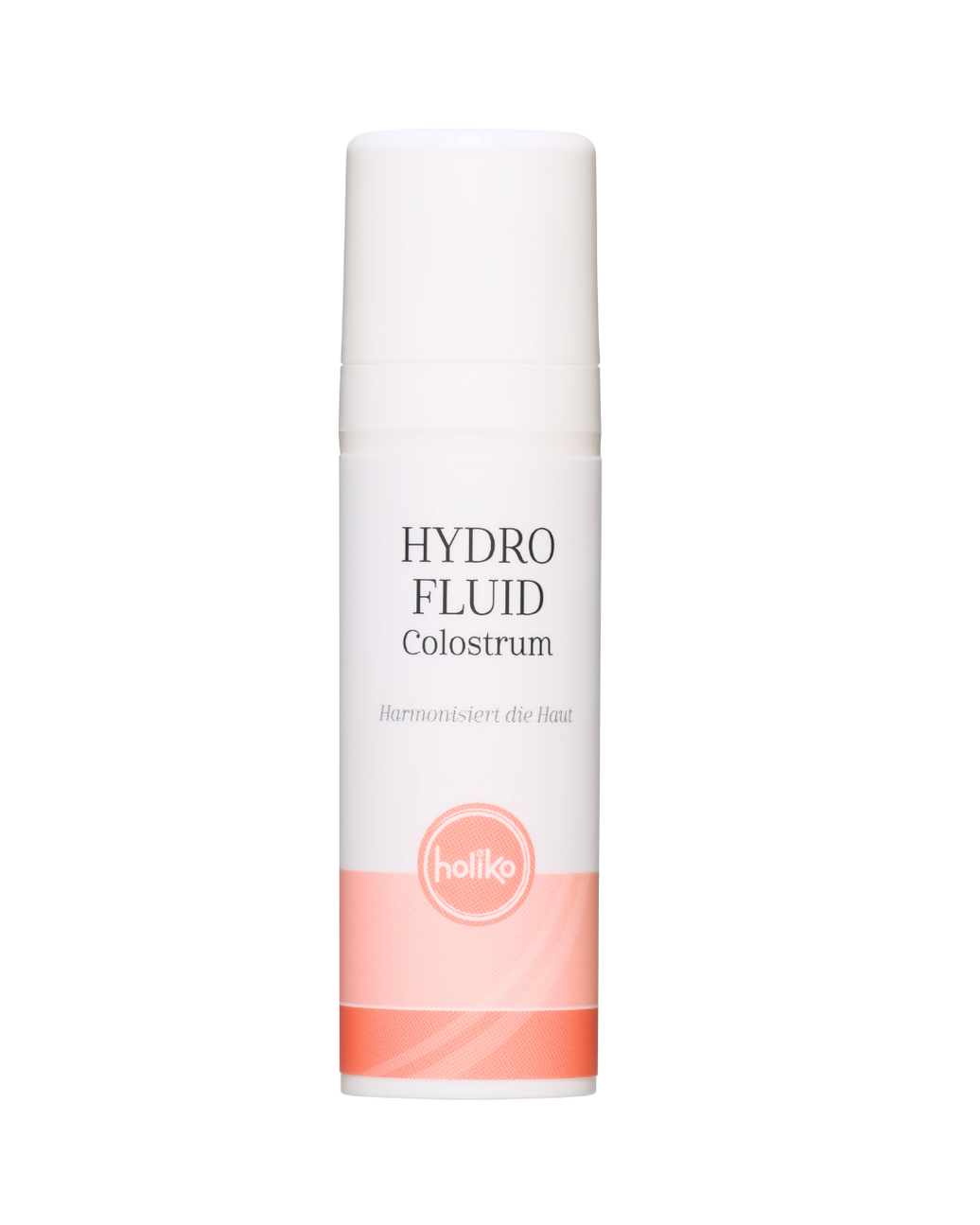
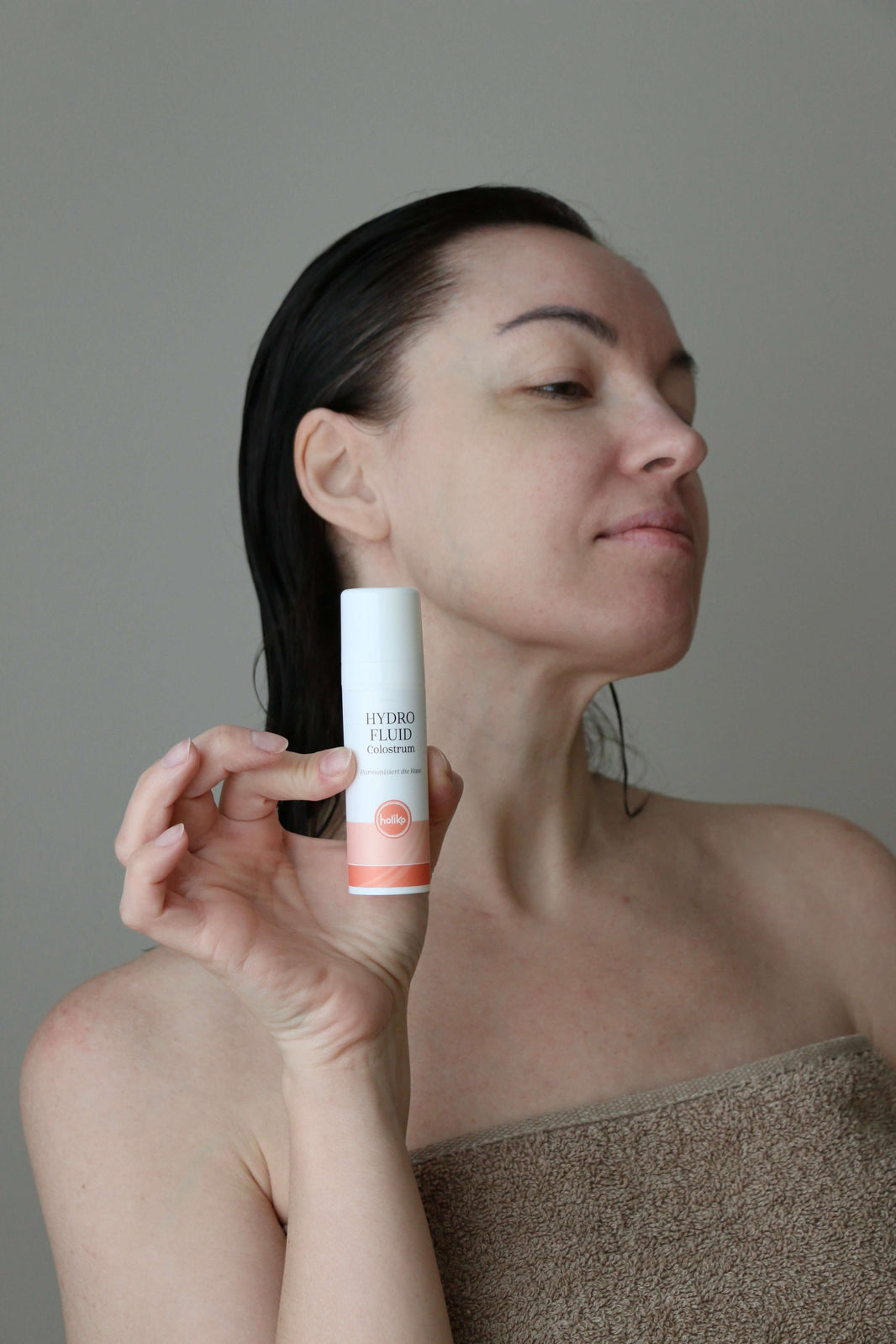
Holiko supports oily skin by strengthening the skin barrier, balancing the microbiome, and soothing the skin. This provides the skin with necessary moisture without unnecessarily stimulating sebum production.
Advantages of Holiko for oily skin
- Antibodies from colostrum strengthen the skin's natural defense mechanisms
- Gentle, natural support for the skin barrier
- Stabilization of the skin microbiome
- Soothing of redness and irritation
- Simple integration into the daily care routine
Application
Apply a thin layer of Holiko to cleansed facial skin, particularly on the T-zone or irritated skin areas. Regular application supports the moisture balance and sustainably strengthens the skin barrier.
Conclusion: Natural support for oily skin against dehydration
Oily skin relies on an adequate supply of moisture to stabilize the skin barrier and maintain a healthy microbiome. With the right care, suitable products, and support from Holiko, the skin can be soothed, regenerated, and kept healthy in the long term.
Holiko can be a beneficial addition to the natural care of oily, blemish-prone skin.




Leave a comment