


The effectiveness of skincare is determined by its ingredients - not by the quantity, but by the selection.
At Holiko, we rely on a few, specifically combined active ingredients rather than long lists.
Our natural cosmetics are designed to work in harmony with the skin. This means: Our products support and regulate the skin's natural processes – gently, effectively, and sustainably – rather than just providing superficial care. In doing so, we combine traditional active ingredients with modern, scientifically-backed components and always stay guided by the latest dermatological findings.
The fundamental pillars of our formulations

A carefully balanced combination of plant-based lipids that gently nourish, hydrate, and soothe the skin.

Phytosterols and phospholipids that optimally support the skin barrier and strengthen its natural protective function.

Modern natural cosmetic active ingredients that provide additional barrier care, intensive moisture, and a balanced microbiome.
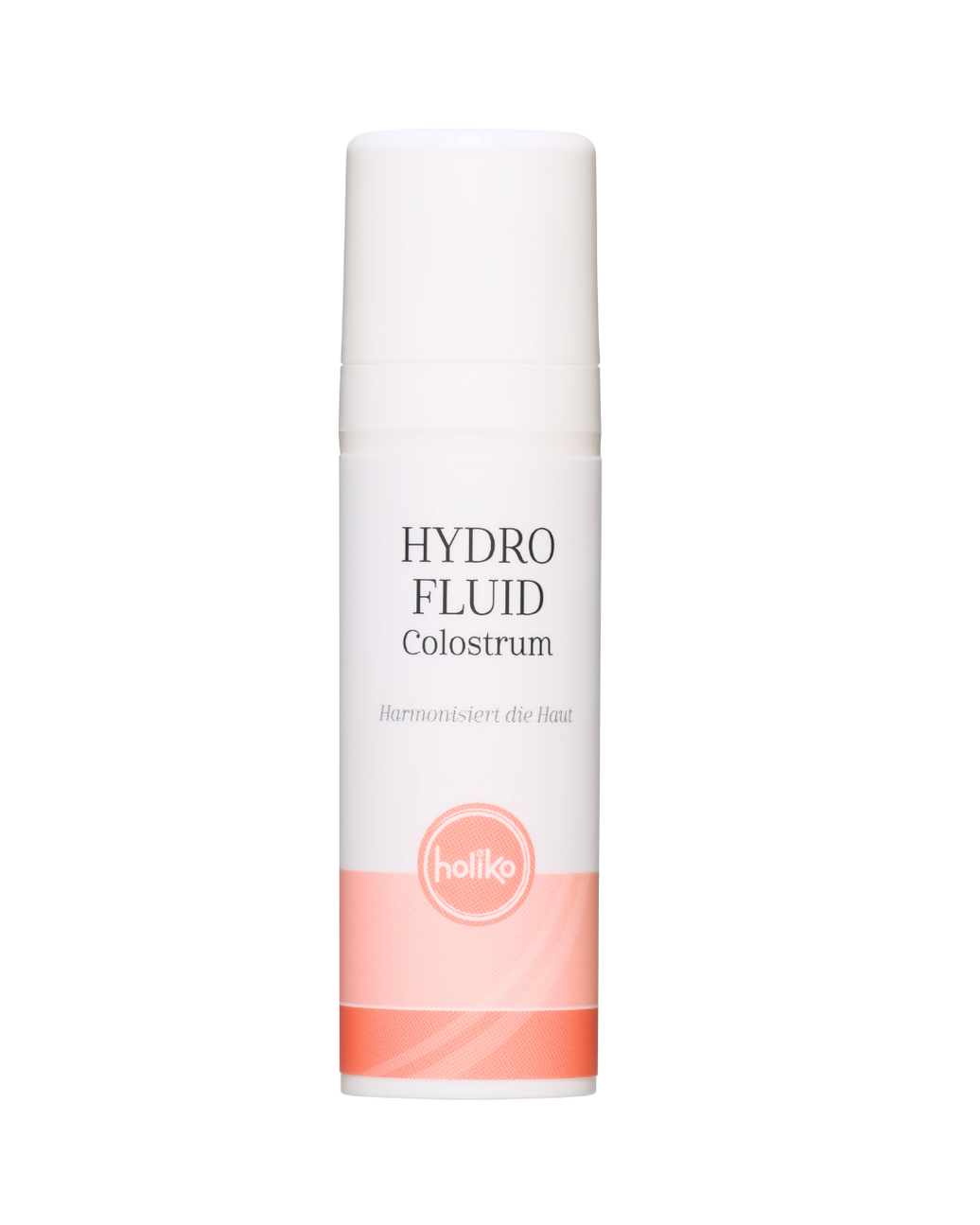
Colostrum is the first form of milk - naturally rich in proteins, immunoglobulins and growth factors. It is only available for a short time before the composition of the milk changes. It is precisely this concentration of bioactive molecules that makes colostrum a rare active ingredient in skincare.

In skincare, colostrum acts on several levels at once: it visibly calms, supports the skin's natural renewal, and contributes to the balance of the skin microbiome. This combination of nutrients, which is rarely found in any other ingredient, is the reason why colostrum is included in almost every formulation at Holiko.

In the first days after birth, the mother cow produces colostrum with significantly more antibodies than later milk. The content is highest immediately after birth, then drops rapidly. Our research shows that these antibodies help to stabilize the human skin microbiome. Using a specially developed biotechnological process, we upgrade colostrum from later milkings to the quality of the very first milking. This ensures that the vital first milk remains entirely for the calf.
Natural power for your skin
At Holiko, we believe in the efficacy of nature. That is why we use exclusively organically sourced raw materials and their derivatives - each one meeting the highest standards of purity and quality. We consciously avoid ingredients that are controversial from a health or ecological perspective. Our formulations follow the strict guidelines of certified natural cosmetics, thereby offering you care that is safe, responsible, and in harmony with the environment.
Quality you can trust

Dermatologically tested

Fragrance-free

No animal testing

Made in Germany
Selected for their impact
Every ingredient in our formulations is chosen intentionally
– not because it looks good on a long list, but because of its benefits for the skin.
Alpaca keratin
A natural protein from alpaca wool that envelops skin and hair in a fine protective film. It smoothes the surface, makes damaged hair more supple, and leaves the skin feeling soft.
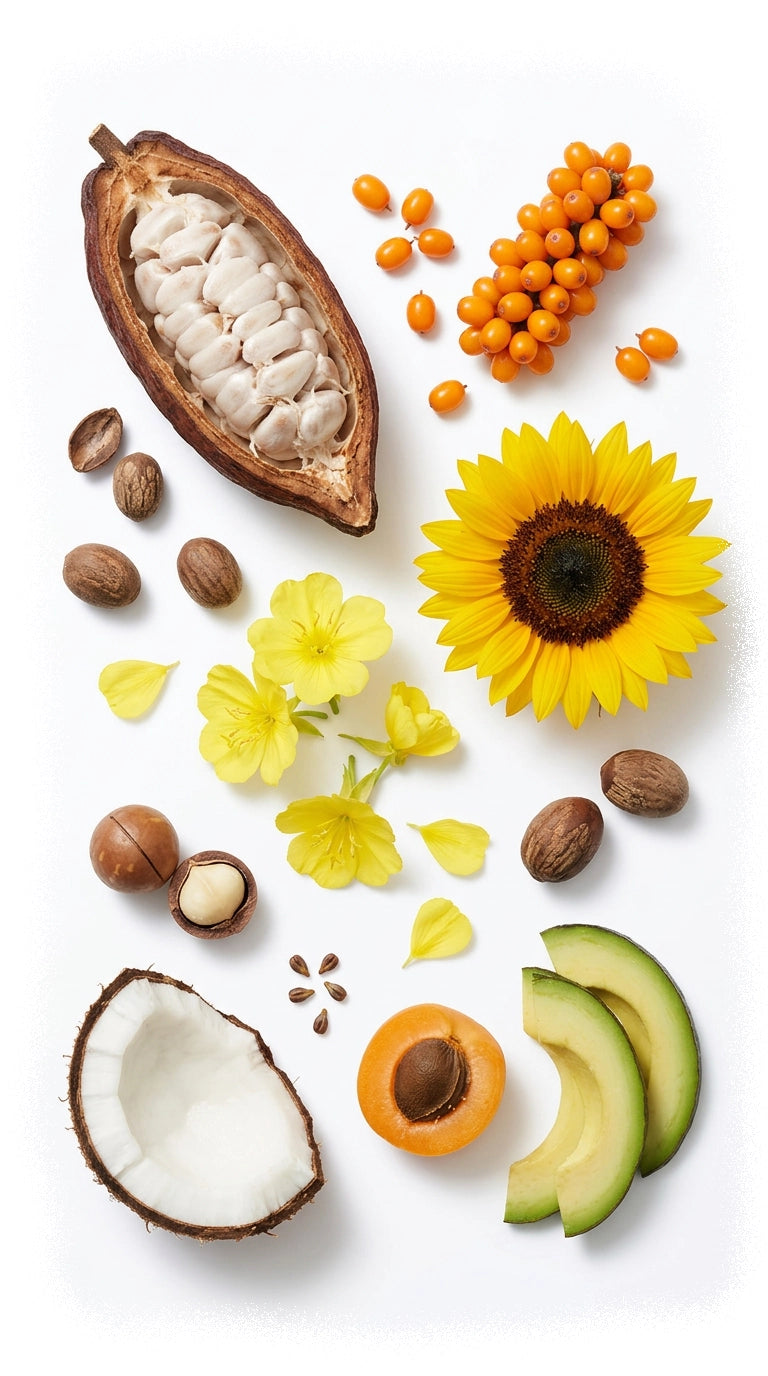
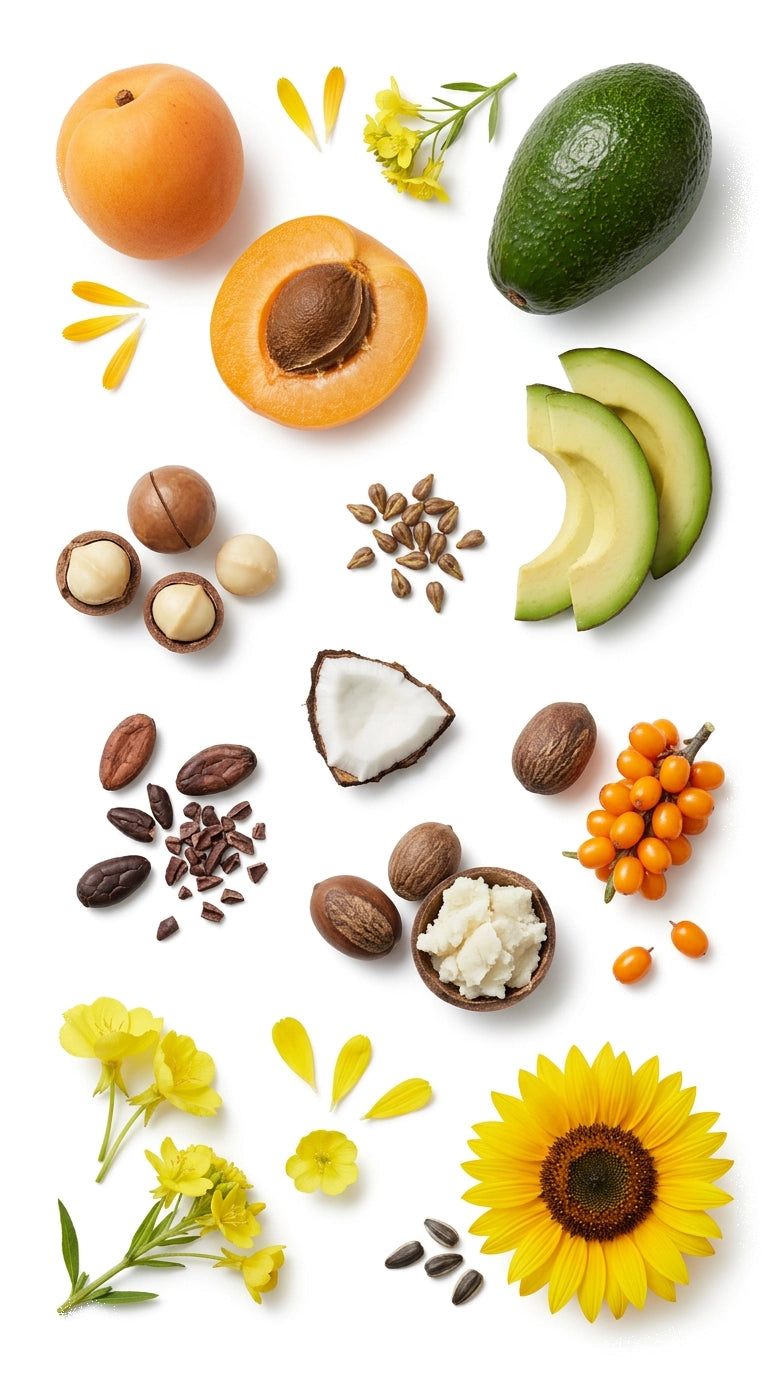
Apricot kernel oil
A particularly mild oil, ideal for sensitive skin. It smoothes, soothes, and provides a pleasantly soft skin feel.
Did you know? Apricot kernels have been used in traditional remedies for centuries – and their unique aroma is even the base for real amaretto.
Avocado Oil (Persea Gratissima)
Ideal for dry, cracked, or damaged skin. It supports cell regeneration, improves the absorption of active ingredients, and is gentle enough for sensitive or compromised skin.
Did you know? Avocado oil is extracted from the creamy fruit pulp – not the pit – and was already used by the Aztecs as a beauty secret.
Baobab seed oil (Adansonia Digitata)
Nutrient-rich and intensely nourishing, baobab oil is particularly suitable for dehydrated and compromised skin. It forms a protective moisture film on the skin, smoothing it and strengthening its natural barrier.
Did you know? Baobab trees, also known as "trees of life," can store up to 100,000 liters of water in their trunks to survive extreme dry seasons.
Ceramide
Ceramides are natural components of the skin and account for around half of the lipids in its outermost layer. They hold skin cells together, protect against moisture loss, and strengthen the skin barrier – making them particularly valuable for dry, sensitive skin or skin stressed by friction.
Colostrum
Colostrum is rich in immune-active factors that help the skin reduce inflammation-promoting bacteria. Its growth factors promote faster regeneration, making it a central component of our formulations.
Did you know? Colostrum has been prized since antiquity – it has been used in Ayurvedic medicine for thousands of years.
Cupuacu Butter (Theobroma Grandiflorum)
Cupuacu butter binds moisture extremely effectively and absorbs wonderfully. It supports the regeneration of the skin barrier, calms redness, and ensures a deeply hydrated, refreshed skin feel.
Did you know? Cupuacu is a relative of cocoa and is often referred to as the "white chocolate miracle of the rainforest" – because of its creamy texture and pleasantly sweet scent.
Glycerin
A true moisture booster: Glycerin provides intense hydration, improves elasticity, and strengthens the skin barrier for long-lasting suppleness and protection.
Did you know? Glycerin was discovered in 1779 during experiments with olive oil and has been an absolute skincare classic ever since.
Hyaluronic acid
As a natural component of the skin, hyaluronic acid forms a moisture-retaining layer that binds water in the upper layers of the skin. It provides continuous hydration and creates a smoothing, firming effect.
Did you know? Hyaluronic acid occurs naturally in the skin, joints, and eyes – and can bind 1,000 times its own weight in water. That is why it is considered one of nature's most effective hydrators.
Cocoa seed butter (Theobroma Cacao)
Cocoa butter is a rich, soothing active ingredient that calms irritated and cracked skin, leaving it feeling velvety soft.
Did you know? Cocoa butter was highly valued by the Mayans and Aztecs – not only for skincare, but even as currency, it was so precious in ancient cultures.
Coconut milk
Coconut milk is extracted from the finely grated flesh of the coconut. It provides a particularly creamy, gentle cleanse and nourishes the skin with conditioning fats while washing, so that it does not feel dry or tight afterward.
Coconut oil (Cocos Nucifera)
Coconut oil absorbs quickly into the skin, leaving it soft and supple without leaving a greasy film. Its cooling effect is especially soothing for itchy or irritated skin.
Did you know? In tropical regions, coconut oil has been used for centuries not only for skincare but also as a natural sunscreen – it blocks about 20% of UV rays.
Lame cream
With its intensely nourishing properties, Lame-Creme leaves the skin soft and smooth.
Did you know? The term "Lame" comes from the special emulsifier blend that gives this cream its luxurious, creamy texture – a highly valued feature in skincare formulation.
Evening Primrose Oil (Oenothera Biennis)
Ideal for external and internal use on flaky or inflamed skin. Rich in essential fatty acids, it supports the formation of cell membranes, promotes regeneration, and strengthens the skin barrier.
Did you know? Evening primrose flowers open only at night – hence their name. Indigenous peoples of North America used the plant long before its discovery in modern skincare.
Neutral oil
A gentle oil that restores balance to over-treated or irritated skin. Its low penetration depth makes it ideal for sensitive skin, as it barely affects barrier lipids while still providing a soothing effect.
Did you know? Neutral oils are so gentle and stable that they are frequently used in aromatherapy as carrier oils to distribute essential oils evenly without altering their properties.
Pentylene glycol
A highly effective moisturizer that provides deep hydration without leaving a sticky residue.
Did you know? Pentylene glycol occurs naturally in bamboo – which is why it is considered a particularly sustainable and modern active ingredient in skincare.
Phytosteryl Macadamiate
Reduces inflammation and soothes the skin, especially when a lack of cholesterol leads to dryness or sensitivity. It stabilizes the barrier and reduces transepidermal water loss.
Did you know? Phytosteryl Macadamiate acts similarly to the skin's natural cholesterol – an essential component of the barrier. A true gift from nature that helps the skin with its daily defense.
Retinol
Retinol is a form of vitamin A that supports natural skin renewal, refines skin texture, and promotes a more even complexion. Thanks to microencapsulation, the active ingredient is released gradually rather than all at once—making retinol significantly better tolerated, even for sensitive skin.
Sea buckthorn fruit pulp oil
Rich in antioxidants and anti-inflammatory compounds, this oil promotes cell regeneration and is ideal for damaged skin. Its high content of palmitoleic acid, a component of skin lipids, makes it particularly effective for building and protecting the barrier.
Did you know? Sea buckthorn berries are so nutrient-rich that they were used as survival food by Tibetan monks – and were even taken along by cosmonauts on space missions.
Shea butter
Shea butter is extracted from the nuts of the African shea tree. It is rich in fatty acids and vitamin E, makes dry skin noticeably supple, and forms a fine protective film on the skin that prevents moisture loss.
Sunflower oil
A gentle, nourishing oil with anti-inflammatory properties. It protects skin lipids from oxidative stress, soothes irritated skin, and provides intensive care.
Did you know? Sunflowers live up to their name: they "follow" the sun throughout the day—a phenomenon called heliotropism, which makes them a symbol of vitality and growth.
Squalene
A completely non-irritating active ingredient that provides a silky-smooth skin feel without feeling greasy. Since squalane is naturally produced by the skin, it protects against lipid oxidation and supports a healthy barrier.
Did you know? Squalane occurs naturally in human skin and is now sourced from sustainable plants like olives or sugarcane – a major step forward, as sharks were once the primary source.
Grape seed oil
A light, fast-absorbing oil with a high content of linoleic acid, an essential fatty acid for the skin barrier. It nourishes without weighing the skin down, making it suitable for combination and sensitive skin as well. Its natural antioxidants protect skin lipids from oxidative stress.
Urea
As a natural component of the skin's own moisture factor, urea binds water, relieves itching, and is particularly soothing for skin prone to neurodermatitis or very dry skin.
Did you know? Urea was the first organic compound to be artificially synthesized from inorganic substances in 1828 – a milestone in the history of modern chemistry.
Vitamin B5 (D-Panthenol)
Panthenol, a provitamin of vitamin B5, supports important metabolic processes in the skin and is exceptionally well tolerated. It moisturizes, soothes inflammation, promotes wound healing, improves elasticity, and strengthens the skin barrier, while reducing redness and itching.
Did you know? Vitamin B5 ("pantothenic acid") is derived from the Greek word "pantos" – meaning "everywhere" – because this vitamin is found in almost all living cells.
Vitamin E (Tocopherol)
Vitamin E protects the skin's membrane lipids from oxidation, retains moisture, supports cell renewal, and has anti-inflammatory and smoothing properties. For an even, healthy-looking complexion.
Did you know? Vitamin E was discovered in 1922 and was considered so essential for health that it was initially referred to as the "fertility vitamin."
Xanthan Gum
A skin-friendly thickening agent that improves hydration, forms a light protective layer, and reduces transepidermal water loss.
Did you know? Xanthan is produced naturally through the fermentation of sugar – and is so stable that it maintains its consistency even at extreme temperatures or pH levels.
Zinc
Zinc binds moisture, has an antimicrobial effect, and supports a balanced skin microbiome by regulating bacteria, yeasts, and fungi. Ideal for a clear, healthy complexion.
Did you know? Zinc has been used for centuries to treat wounds and skin conditions – dating back to ancient Egyptian and Indian medicine.