

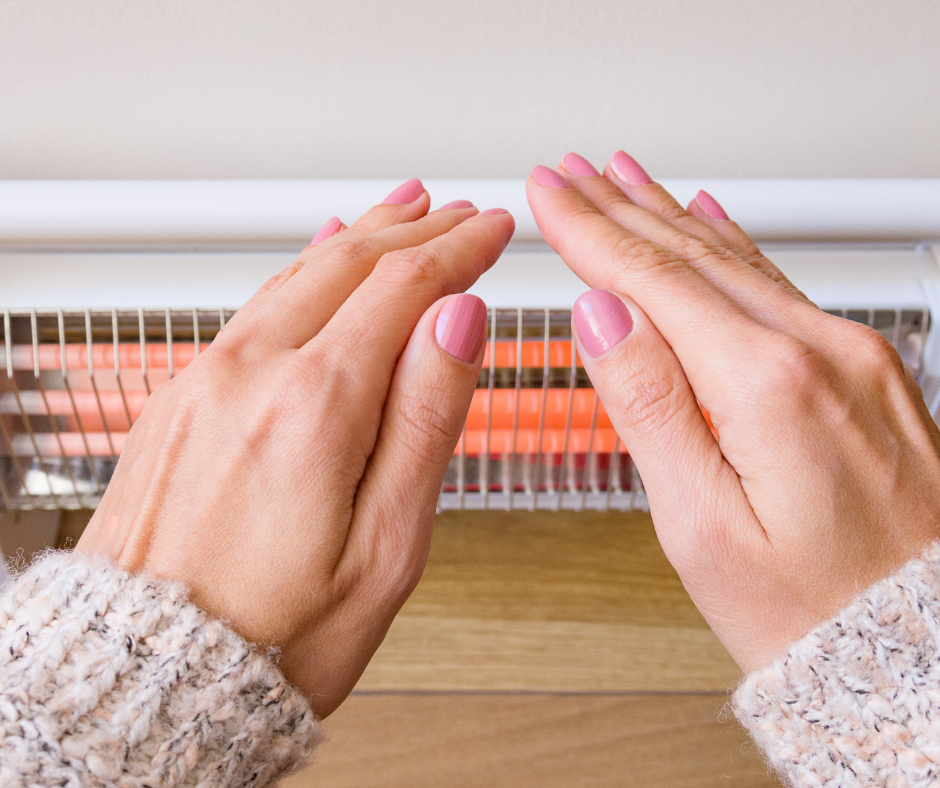
Dry air is one of the most common environmental factors that stress human skin – especially during the heating season or in air-conditioned rooms. It is among the most frequent causes of dry skin, feelings of tightness, and microbiological imbalances of the skin. If countermeasures are not taken early, dry air can weaken the skin barrier in the long term and promote skin problems.
Typical symptoms of dry air and disturbed skin balance include:
- Feeling of tightness in the skin
- Dry, flaky patches of skin
- Itching and burning
- Redness and irritation
- Increased sensitivity to skincare products
- Worsening of existing skin conditions (e.g., atopic dermatitis)
Dry air does not just act superficially, but directly influences the skin microbiome. Prevention is therefore crucial to avoid inflammation, skin barrier damage, and secondary problems at an early stage.
Microbiome-friendly tips against dry air – causes of dry skin
The skin is a complex ecosystem consisting of skin cells, lipids, moisture, and a diverse skin microbiome. Dry air continuously removes water from the skin, which impairs the natural protective function. The balance of the skin microbiome is disrupted, making the skin more susceptible to irritation and inflammation.
Common causes of dry skin due to dry air are:
- Low humidity: Heating and air conditioning systems reduce air humidity and accelerate transepidermal water loss
- Disturbed skin barrier: Lipid loss weakens the skin's protective layer
- Microbiome imbalance: Beneficial skin bacteria lose their optimal habitat
- Frequent washing: Water and aggressive cleansing products increase dehydration
- Individual skin susceptibility: People with sensitive skin or atopic dermatitis react particularly strongly
- Environmental stressors: Fine dust, temperature fluctuations, and UV radiation intensify the effect of dry air
Microbiome-friendly tips against dry air – treat with Holiko
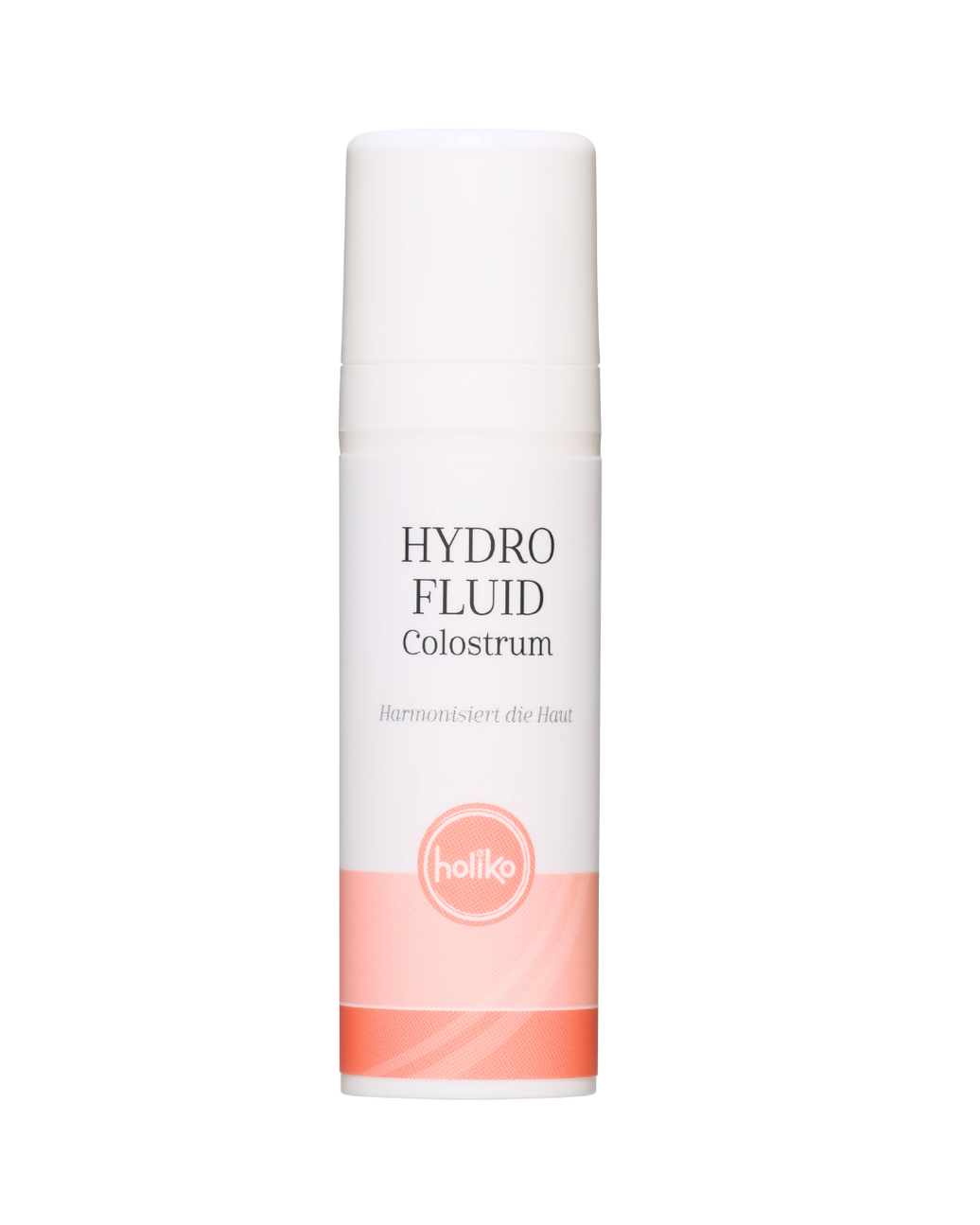
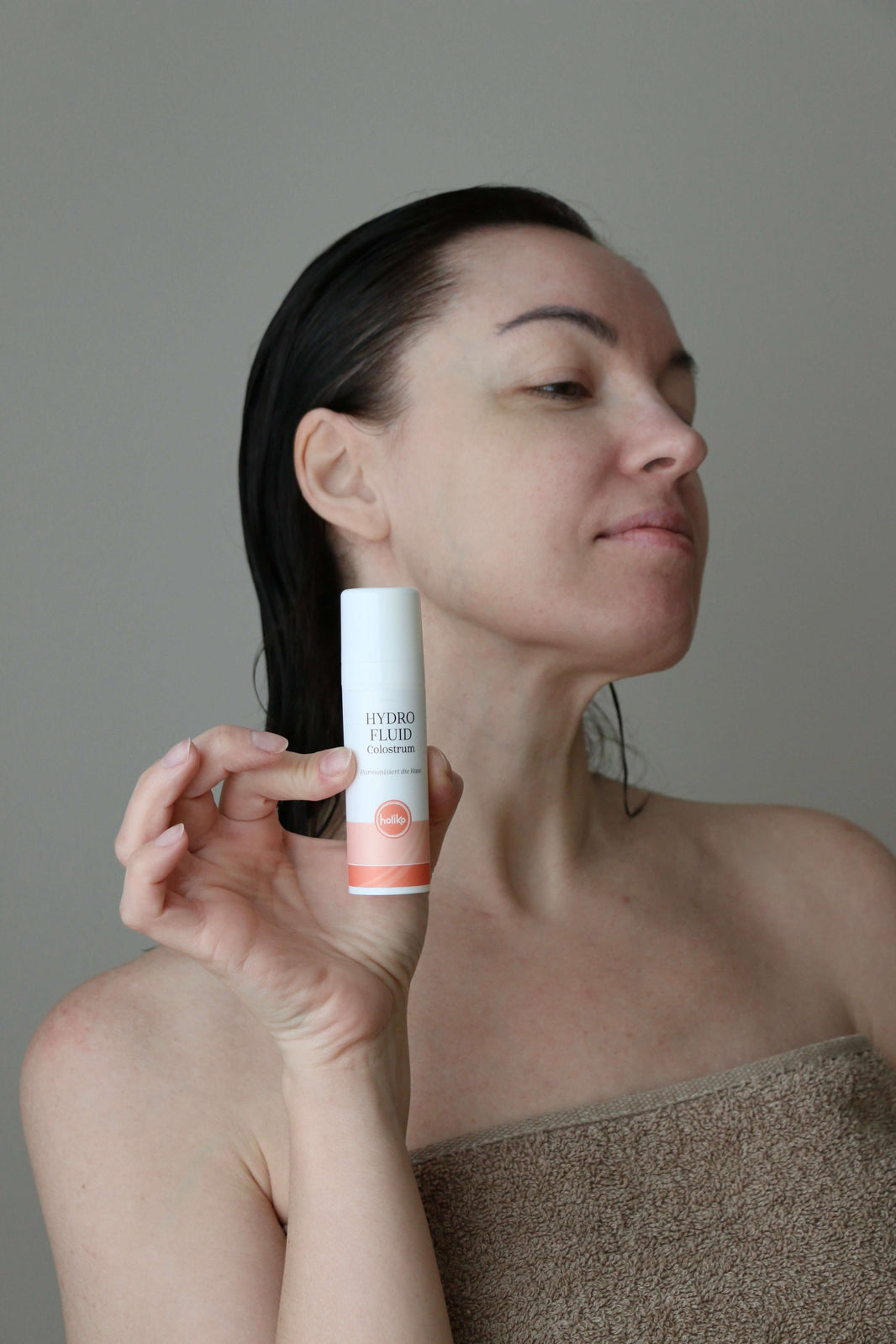
Treatment of skin dried out by dry air should specifically support the skin microbiome and stabilize the skin barrier. Holiko has been developed to address precisely these biological mechanisms.
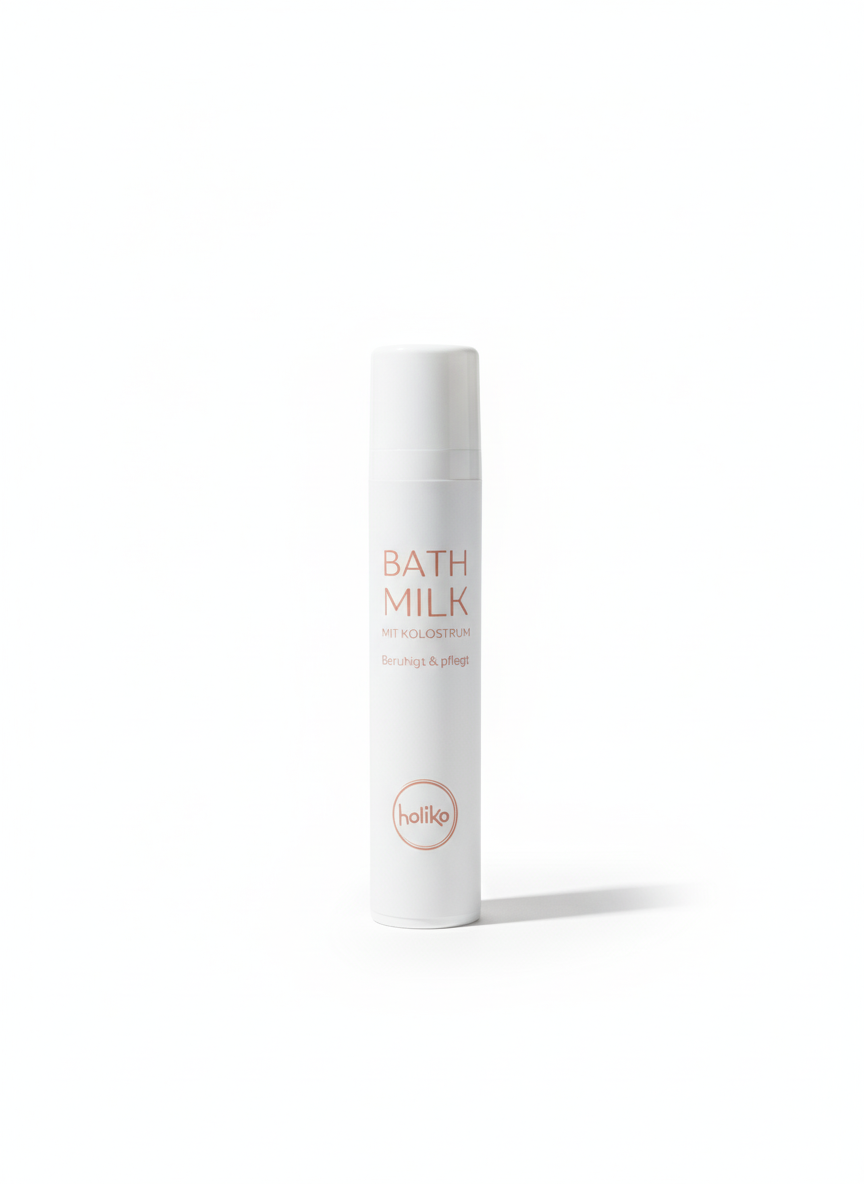
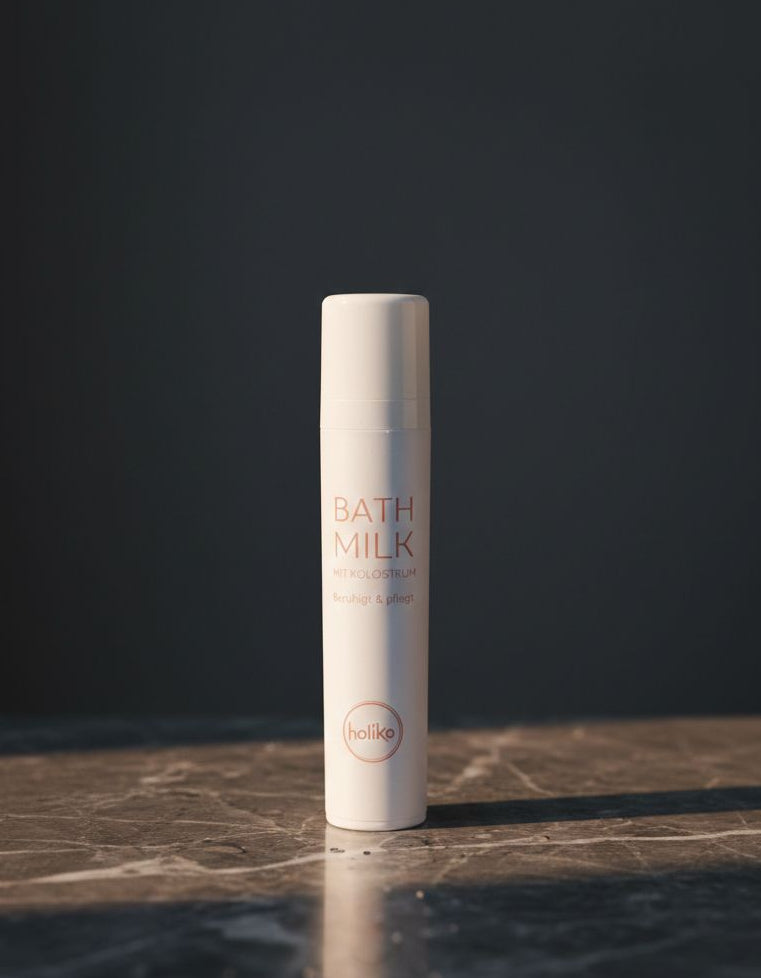
Holiko contains antibodies from high-quality colostrum that support the natural skin flora, reduce redness, and strengthen the skin barrier. Through its microbiome-friendly formulation, the skin is not only supplied with moisture but also stabilized in the long term.
Benefits of Holiko for dry skin caused by dry air:
- Antibodies from colostrum to support the skin microbiome
- Strengthening of the natural skin barrier
- Reduction of redness and irritation
- Support of the skin's moisture retention
- Natural, microbiome-friendly mode of action
- Simple application for daily skincare
The goal is to bring the microbiome into balance and restore the skin's natural resilience.
Measures
The following measures support the healing process and sustainably reduce the risk of skin-related complaints caused by dry air.
Practical tips for prevention in dry air:
- Use mild, pH-skin-neutral cleansing products
- Regularly provide the skin with microbiome-friendly care
- Use lukewarm instead of hot water when showering
- Gently pat skin dry after washing, do not rub
- Drink enough water to hydrate the skin from the inside
- For atopic dermatitis, use replenishing care particularly consistently
- Do not run air conditioning and heating systems at maximum levels constantly
Extra tip – special precaution:
In case of persistent itching, open skin lesions, or severe inflammation, dermatological advice should be sought to rule out secondary infections or chronic skin diseases.
Conclusion: Natural help with Holiko
Dry air is an underestimated but relevant risk factor for skin health and the skin microbiome. Through targeted prevention, microbiome-friendly care, and a stable skin barrier, discomfort can be effectively reduced and avoided in the long term.
Holiko offers natural help for skin problems by strengthening the skin microbiome, binding moisture, and supporting skin regeneration.
👉 Order Holiko now and specifically protect your skin from dry air.




Leave a comment