


Adequate sleep is important for the regeneration of your skin. This is because small repair processes take place in the skin at night, stabilizing the skin structure, strengthening the protective barrier, and improving the overall appearance of the skin. If this nightly regeneration phase is permanently disrupted by a lack of sleep, it becomes apparent in a significantly altered skin appearance.
Nightly skin regeneration: What happens to the skin during sleep?
During sleep phases, the body shifts numerous processes to benefit the skin:
- Cell renewal: Damaged or aged skin cells are broken down and replaced by new cells. This forms the foundation for a smoother, more even surface.
- Collagen production: At night, there is an increase in the production of collagen, a structural protein responsible for the firmness and elasticity of the skin.
- Repair of environmental damage: Damage from UV radiation, air pollution, dry air, and mechanical stress is partially compensated for. The skin corrects minor damage and stabilizes its protective function.
- Removal of metabolic waste products: Metabolic waste products are removed via the blood and lymph flow, and the skin is better supplied with blood and oxygen.
These processes contribute to your skin appearing more refreshed, resilient, and balanced in the morning.
Why the skin works differently at night
The skin follows a day-night rhythm. During the day, the focus is on protection against external influences. At night, the emphasis shifts to repair and renewal. Blood flow increases, the absorption of active ingredients from skincare products increases, and the barrier shows slightly increased permeability.
In this phase:
- repair enzymes become active,
- cell division increases,
- free radicals are neutralized,
- and the barrier function is specifically supported.
This rhythm explains why a targeted evening routine and appropriate night care have a noticeable influence on the skin's appearance and the skin barrier.
Consequences of sleep deprivation for the skin
However, if this regeneration phase is shortened or disrupted over a long period, the stress on the skin increases. The consequences are:
- Accelerated skin aging: Chronic lack of sleep can impair collagen production and promote the breakdown of structural proteins. The skin loses elasticity, and wrinkles and fine lines become visible more quickly.
- Reduced blood circulation: Impaired nighttime circulation can lead to a dull, tired skin appearance. The complexion looks paler, and irregularities become more prominent.
- Slowed repair: The skin has less time to recover from daily stresses such as UV rays, environmental stress, and internal stressors. Damage accumulates and becomes more visible.
These effects are often first noticeable on the face.
Signs and symptoms of sleep deprivation on the skin barrier
Typical skin changes associated with sleep deprivation include:
- Dry, rough, or tight skin
- Increased irritability and redness
- Increased blemishes and inflammatory changes
- Dull, uneven complexion
- Puffy eye area, dark circles
- Increased sensitivity to skincare products
These symptoms indicate a weakened barrier that is less stable mechanically and biochemically.
Mechanisms: How sleep deprivation affects the skin barrier
Several processes work together when the skin does not receive enough regeneration time:
- Impaired cell renewal: The skin primarily renews itself at night. Shortened sleep phases slow down this process, causing damaged cells to persist longer.
- Increased cortisol levels: Sleep deprivation is associated with increased stress hormones such as cortisol. Cortisol can promote inflammatory processes, disrupt the barrier function, and facilitate the breakdown of collagen.
- Disruption of the microbiome: An unstable barrier and altered regeneration conditions affect the composition of the skin flora. An imbalanced microbiome is associated with increased irritability and susceptibility to inflammation of the skin.
- Increased moisture loss: A weakened barrier allows more water to evaporate across the skin's surface. The skin's ability to retain moisture decreases, and dryness and feelings of tightness increase.
- Oxidative stress and inflammation: Sleep deprivation promotes oxidative processes. This encourages redness, blemishes, and an overall restless skin structure.
- Reduced protective function: An unstable barrier is more permeable to environmental stressors, allergens, and pollutants. External stimuli can more easily lead to irritation.
Holiko: Supporting the skin barrier and microbiome during sleep deprivation
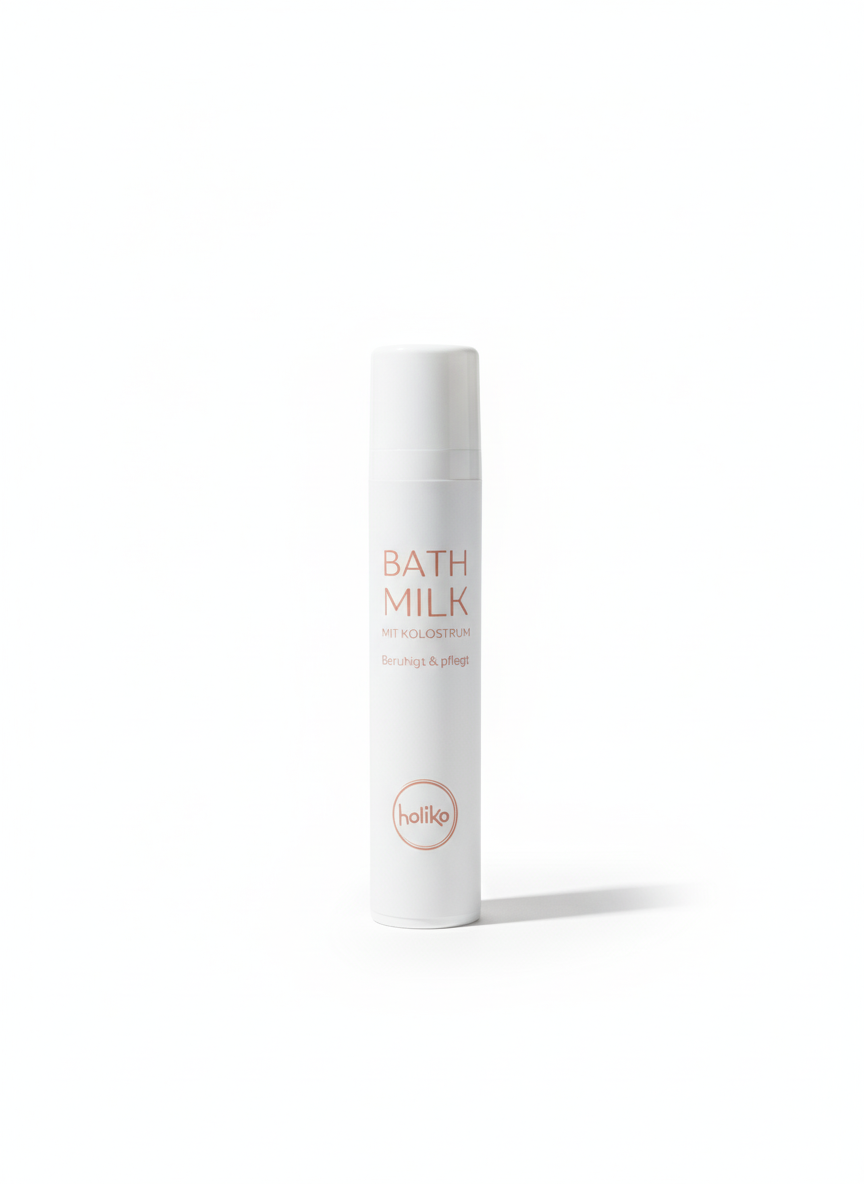
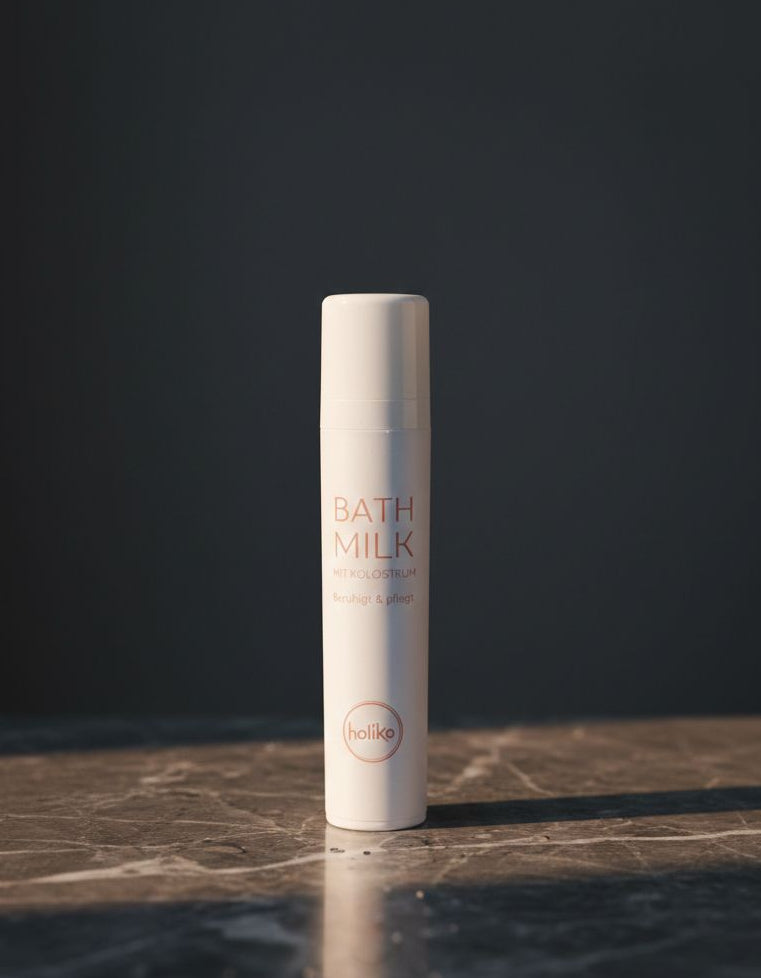
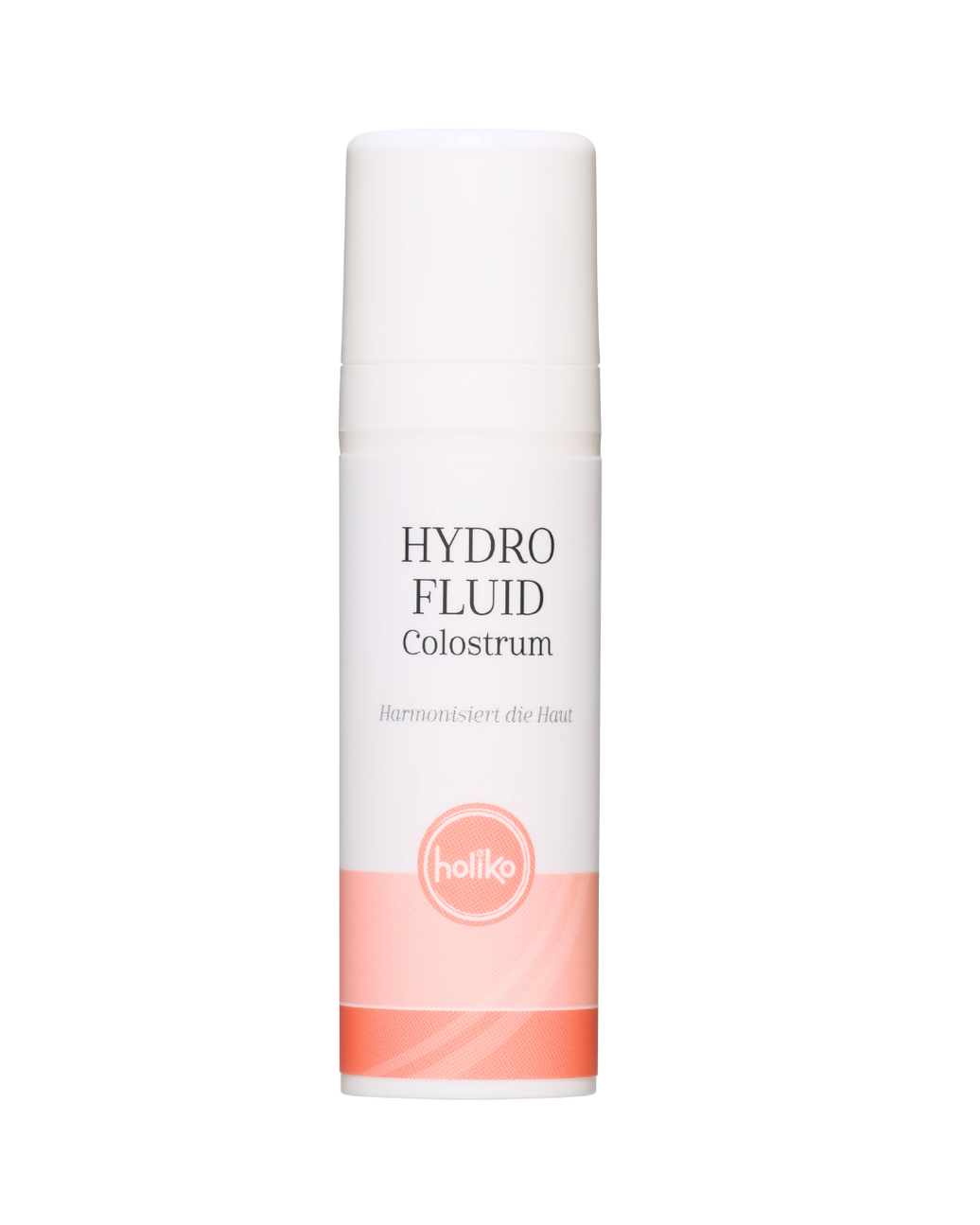
Holiko addresses exactly these points. When the barrier is weakened and the microbiome becomes imbalanced, Holiko supports the skin in its natural stabilization.
Antibodies from colostrum can help promote a balanced skin flora and soothe irritated skin. A more stable microbiome is associated with more resilient skin and better control of reactions to stress, dry air, and lack of sleep.
Holiko offers:
- Support for the natural skin barrier
- Promotion of a balanced skin microbiome
- Soothing and regeneration-supporting effects
- Targeted, everyday application
Recommended use:
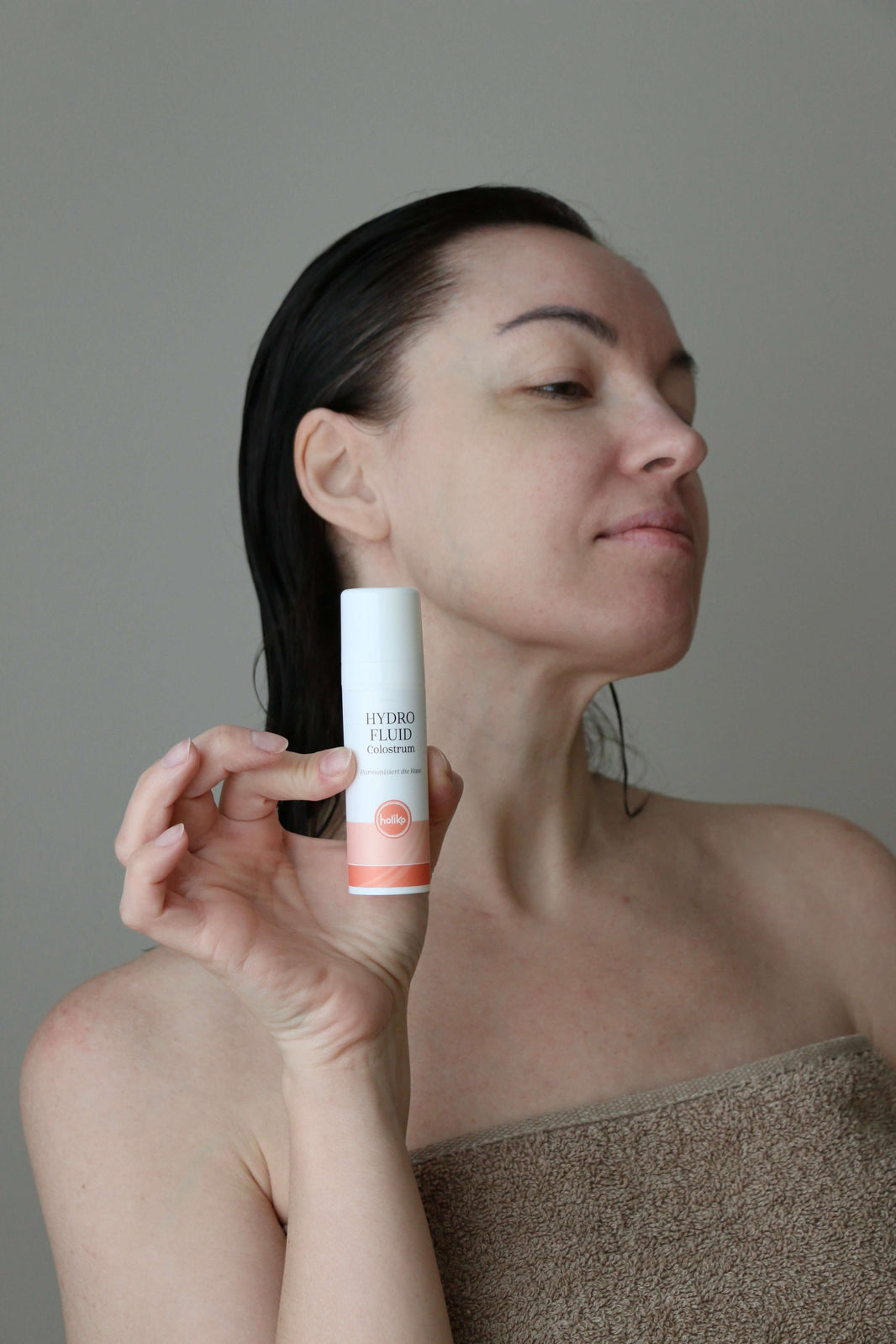
A thin layer of Holiko is applied to the affected skin areas, preferably as part of your evening routine after gentle cleansing. Used regularly, Holiko supports nightly regeneration and helps stabilize barrier function—even during periods when sleep is not optimal.
Practical measures: Supporting the skin barrier despite a lack of sleep
In addition to Holiko, you should also keep the following in mind to protect your skin:
- Improve sleep hygiene: Consistent sleep times, reducing screen time before bed, and a quiet environment support sleep quality.
- Adequate hydration: Drinking enough fluids helps compensate for moisture loss.
- Barrier-friendly care: Mild, lipid-replenishing skincare products stabilize the protective layer and avoid additional irritation.
- Stress management: Breathing exercises, taking breaks, and physical activity can reduce stress and thereby indirectly relieve the skin.
- Structured evening routine: Gentle cleansing and soothing care provide a framework into which Holiko can be effectively integrated.
- Optimized sleep environment: A well-ventilated bedroom with a moderate temperature (approx. 18 to 20 °C) supports physiological regeneration processes.
Conclusion: Targeted support for the skin barrier during sleep deprivation
Lack of sleep impairs nightly regeneration, weakens the skin barrier, and alters the balance of the microbiome. The result is dryness, irritation, blemishes, and an overall stressed complexion.
Through a combination of improved sleep habits, barrier-friendly care, and targeted support for the microbiome and protective function, skin stress can be reduced. In this context, Holiko can provide natural assistance by stabilizing the skin flora, soothing irritation, and supporting the barrier during phases of limited regeneration.




Leave a comment